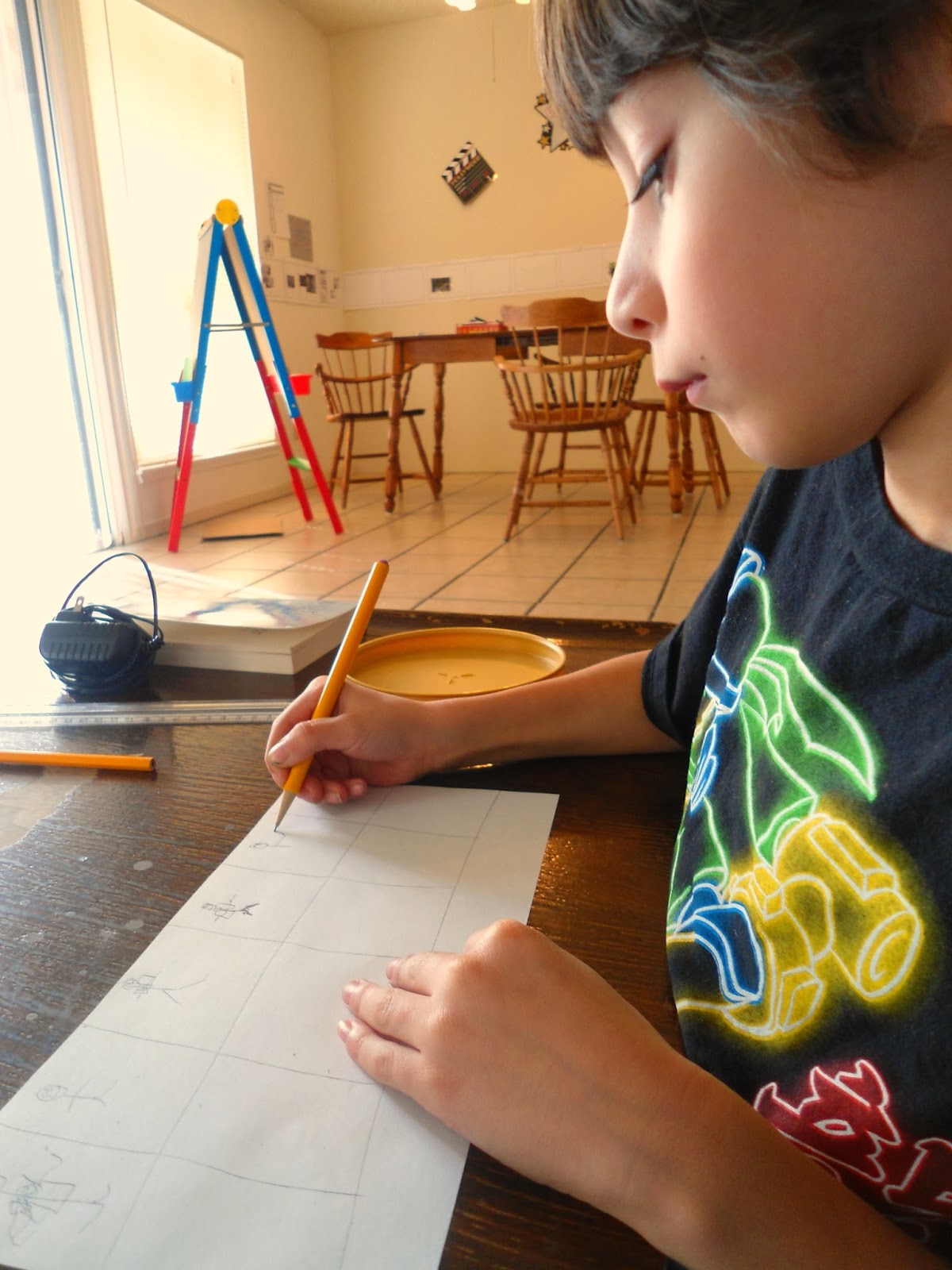
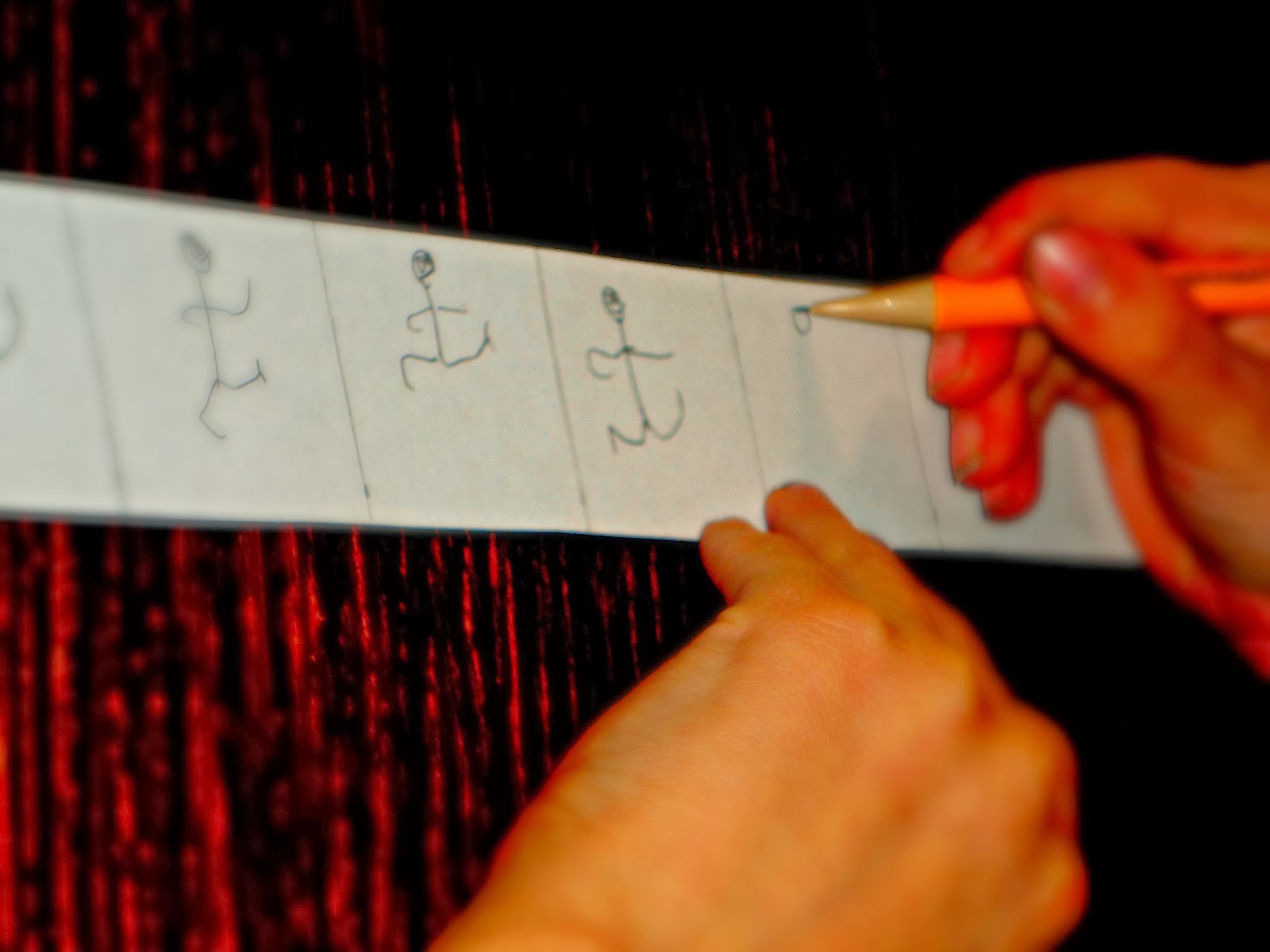
In Part One, we explored the earliest experiments with both film and animation and we made our own zoetrope. In Part Two, we focused on films and filmmakers of the early 20th century, including Georges Melies, Mack Sennett and Charlie Chaplin. We also toured the Disney Animation building at Disney California Adventures.
Last week, we focused on film and animation in the 1920s, which was a booming time for the industry with the popularity of Charlie Chaplin and the creation of Mickey Mouse in "Plane Crazy."
This is a media-heavy unit study. I created a playlist of important film/cartoon shorts of the period. After we finished with our core school work, Aidyn and I snuggled on the couch and watched the videos. I introduced each with a snippet of history, but mostly I encouraged him to reach his own conclusions and to compare/contrast what he was viewing.
~The 1920s~
Below is the playlist we watched together:
1920s Cartoon and Film Playlist
- Felix the Cat Saves the Day (1922) (which brought up a discussion of the use of blackface in early entertainment)
- Puss in Boots~ Walt Disney's Laugh-O-Grams (1922)
- Walt Disney's The Four Musicians of Bremen (1922)
- Walt Disney's Little Red Riding Hood (1922)
- Walt Disney's Oswald the Lucky Rabbit in "Trolley Troubles" (1926)
- Walt Disney's Oswald the Lucky Rabbit in "Great Guns!" (1927)
- Walt Disney's Oswald the Lucky Rabbit in "Oh, What a Knight"
- Oswald the Lucky Rabbit in "Permanent Wave (1929)
- Mickey Mouse in "Plane Crazy" (1928) (first Mickey Mouse cartoon)
- Mickey Mouse in "Steamboat Willie" (1928) (first cartoon with synchronized sound)
- Mickey Mouse in "The Opry House" (1929)
- Mickey Mouse in "The Barn Dance" (1929)
- Disney's Silly Symphonies "The Skeleton Dance" (1929) (the first Silly Symphony)
We're making a scrapbook-inspired timeline as we watch:


We also watched Charlie Chaplin's The Kid (1921) (Chaplin's first full-length feature film)
This movie is both hilarious and heart-wrenching. It inspired a range of discussion not only about film but about the human condition.
And Harold Lloyd in Safety Last! with the iconic clock scene.
~The 1930s~
1930s Cartoon Playlist
I tried to pick cartoon shorts with significance to the history of animation, but I also included a few fun cartoons. This list can easily be shortened or expanded.
- "Summer"~ Silly Symphony (1930)
- "Midnight in a Toy Shop"~ Silly Symphony (1930)
- "Mickey's Orphans" (1930) (nominated for the Academy Award for Best Animated Short in 1932 but lost to Disney's other cartoon "Flowers and Trees.")
- "Flowers and Trees" (1932) (first commercially released film to be produced in the full-color three-strip Technicolor process. Won the first Academy Award for Animated Short Subjects.)
- "Parade of the Award Nominees" (1932) Originally unintended for public viewing. First cartoon with Mickey Mouse in color.
- "Building a Building" (1933)
- "The Wise Little Hen" (1934) First debut of Donald Duck.
- Popeye, circa 1930s
- Betty Boop in "I Heard" (1933)
- Mickey Mouse in "Gulliver Mickey" (1934) Inspired by Gulliver's Travels.
- "The Tortoise and the Hare"~ Silly Symphony (1935)
- "Three Orphan Kittens"~ Silly Symphonies (1935) Won Academy Award for Best Short Subject (Cartoon) in 1935. Contains use of racial stereotype that could prompt discussion.
- Mickey Mouse in "Thru the Mirror" (1936) Inspired by Alice through the Looking Glass.
- "The Old Mill"~ Silly Symphonies (1937) First use of Disney's multiplane camera, later used with Snow White and the Seven Dwarfs. Won 1937 Academy Award for Best Short Subjects: Cartoon.
- "Ferdinand the Bull" (1938) Inspired by book of the same title.
- Mickey Mouse in "The Pointer" (1939)
1930s timeline:

We learned how Walt Disney created Mickey Mouse:
We learned about the animation process in the 1930s from a Paramount newsreel:
The Invention of Hugo Cabret

We finished reading Brian Selznick's amazing book, The Invention of Hugo Cabret, which beautifully weaved our entire unit study (thus far) together. The story takes place in a Paris railway station in the 1930s. Hugo Cabret, orphan and clock keeper, also keeps secrets, but a meeting with an eccentric old toy tinkerer and his goddaughter allows him to reveal his deep need for human connection and the realization of his purpose. This book is not exactly a novel any more than it is a picture book or graphic novel. Whatever it is, it's poignant and dream-like.
We hosted an intimate Family Movie Night last Friday and watched the film, Hugo, which also married many of the things we learned about during our unit study like Georges Melies and his early films, clips of Harold Lloyd in Safety Last!, the first on-screen kiss, Charlie Chaplin in The Kid, and other early films like "Train Pulling into the Station."
Hugo movie trailer:
First Full-Length Animated Feature: Snow White and the Seven Dwarfs~
We concluded the 30s by learning about the first full-length animated feature. We learned that most people thought Walt Disney was foolish to embark on this venture to make a movie out of a cartoon. He nearly bankrupted their business without even knowing if their movie would succeed.
The One That Started It All: Snow White and the Seven Dwarfs, Part One.
Part Two
We watched a video from the bonus features DVD about the voice talents and animation from Snow White and the Seven Dwarfs before Aidyn couldn't take it anymore and HAD to watch the film. We snuggled up and watched, remarking here and there what might have happened had Walt listened to his naysayers and gave up on his dream to make the first animated movie.

Well, that's all for the 20s and 30s! But we are continuing our film and animation unit study through the 40s this week (and possibly back-pedaling to look into The Wizard of Oz). Check back for more!